Reforming Carbon-Char with CO2 — Enriching Syngas with CO
Taylor Energy proposes to resolve the problem of carbon-char waste produced during biomass gasification by reacting it with recycled carbon dioxide making useable carbon monoxide in a process called dry-reforming. Biomass derived carbon-char at 900 °C is a very reactive form of carbon, and we can use it for the high-temperature reduction of CO2 to make more CO:
C(s) + CO2 (g) ↔ CO (g) ΔH 172 kJ/mol, biomass char, 950 -1050 C, atmospheric pressure.
Reverse-Boudouard reacts hot carbon-char with CO2 — and some O2 to boost the reaction rate — to recover waste carbons, increase the gasification efficiency by producing more CO-synthesis gas, and resolving the carbon-char waste problem, which otherwise reports to the ash residue. Modified alumina catalysts are active in the following order, K > Mg, Li > Ca, Na > pristine alumina. Vanadium and potassium on alumina are active for the Reverse-Boudouard:
50% of CO2 is converted to CO at 750 °C, and increasing to 90% at 800 °C.
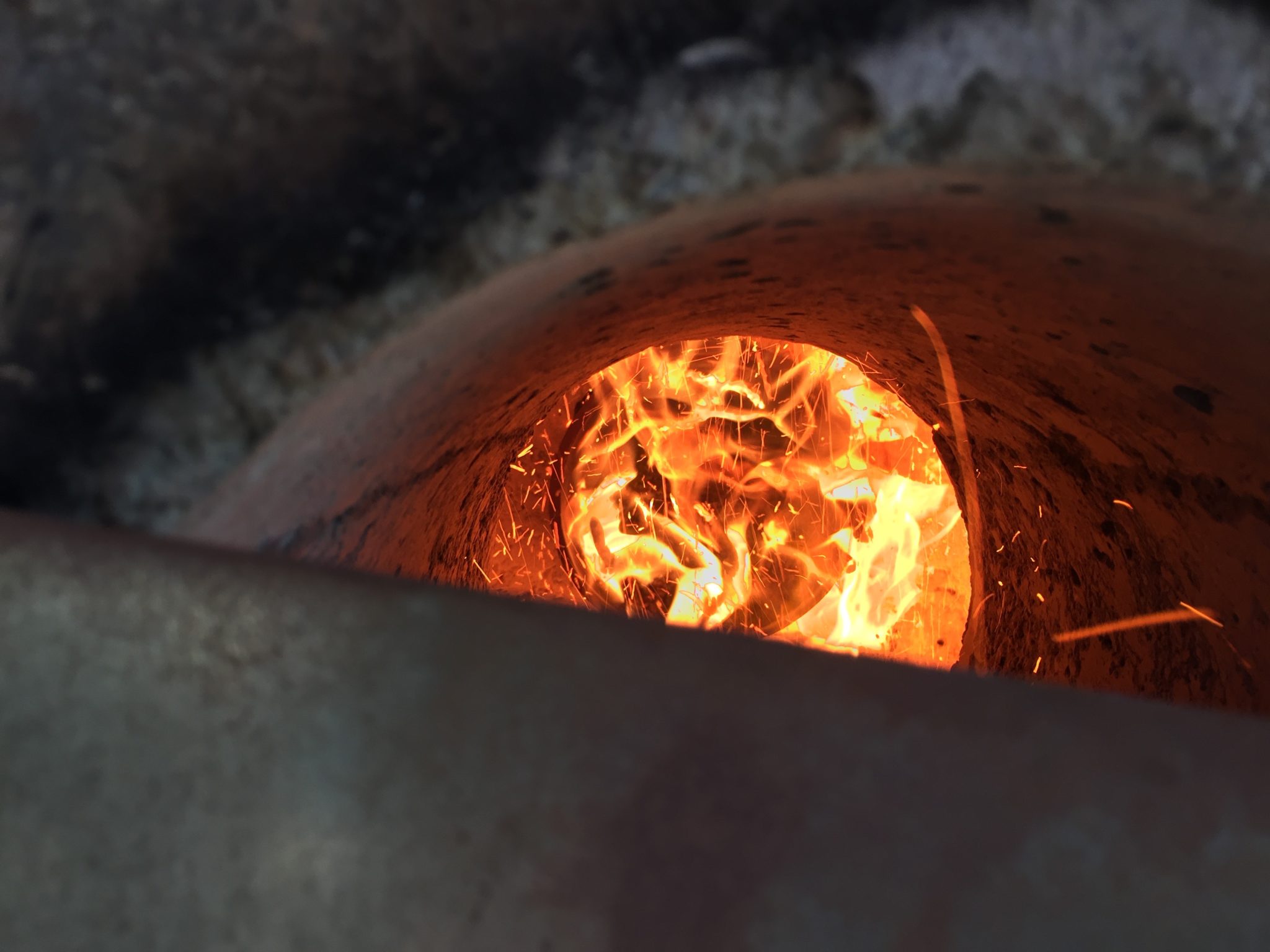
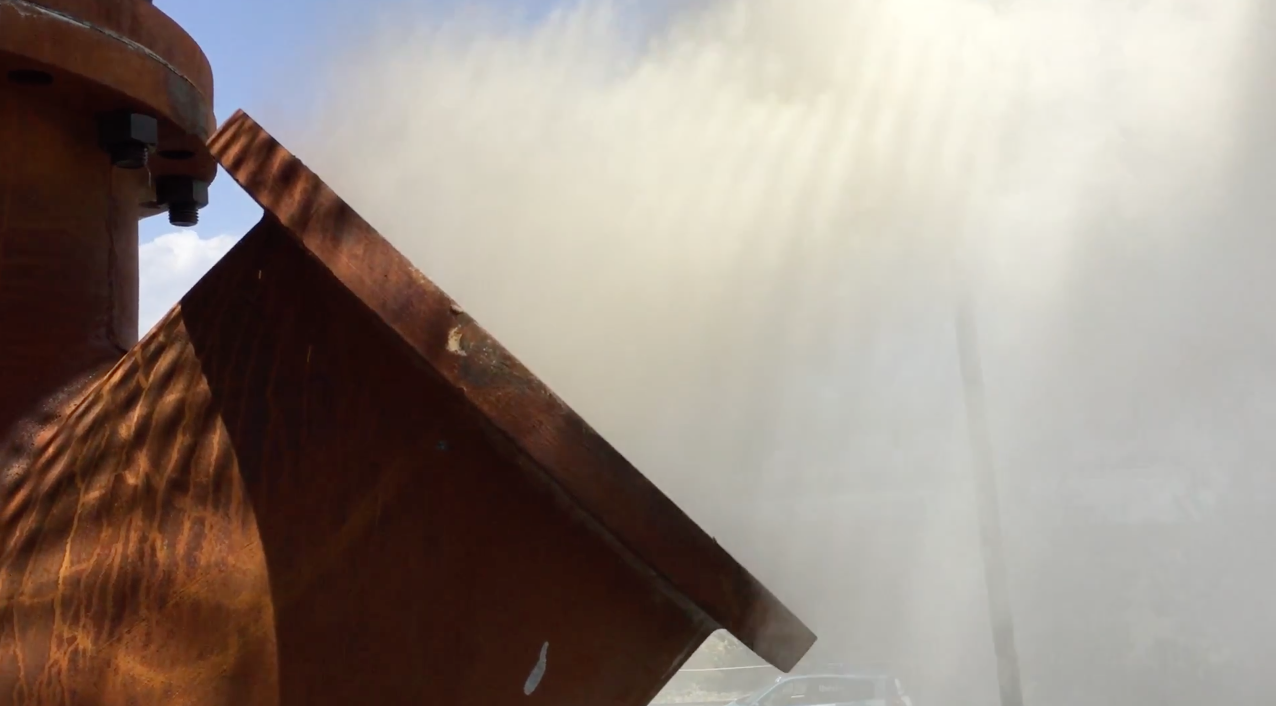
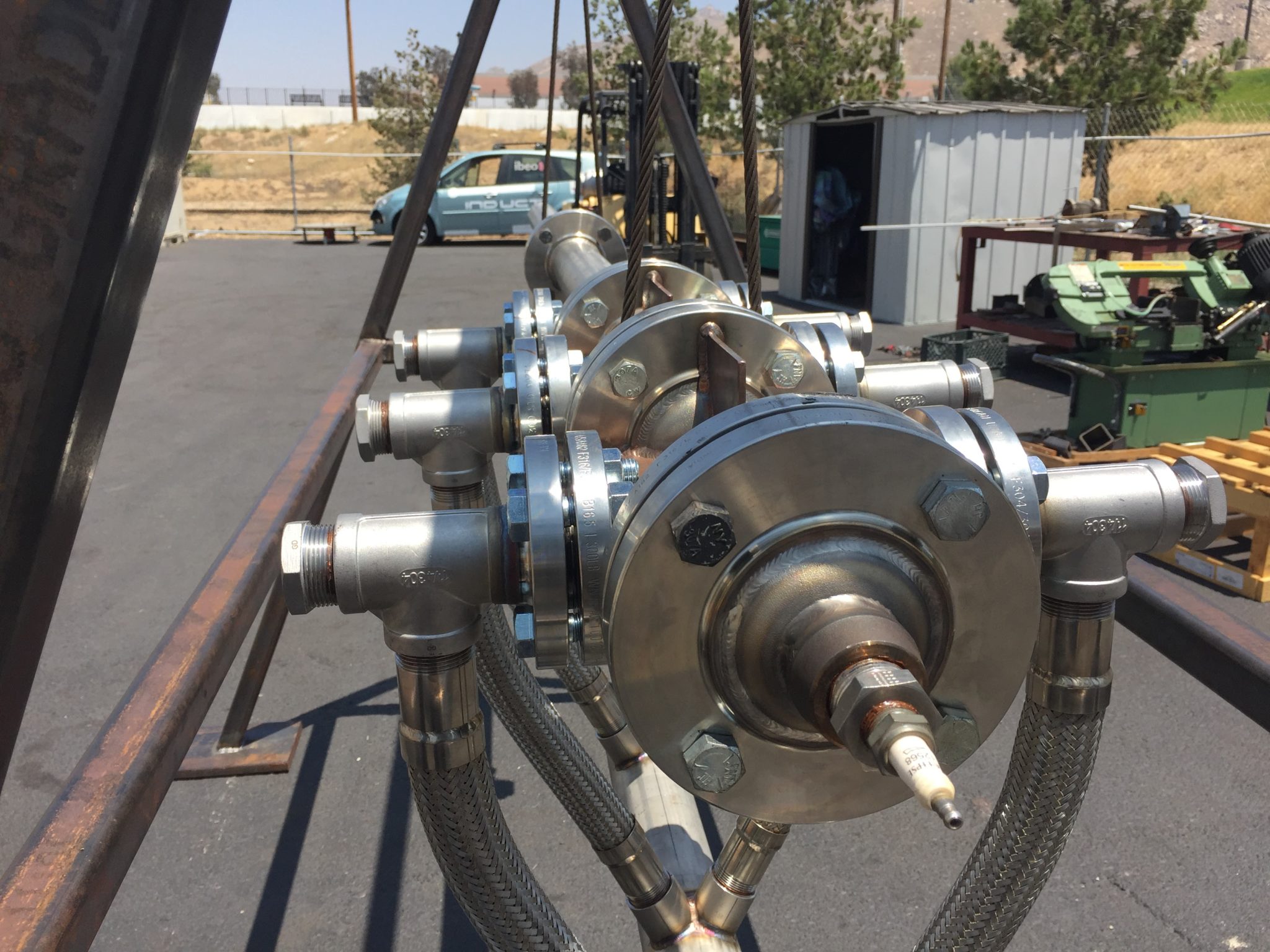
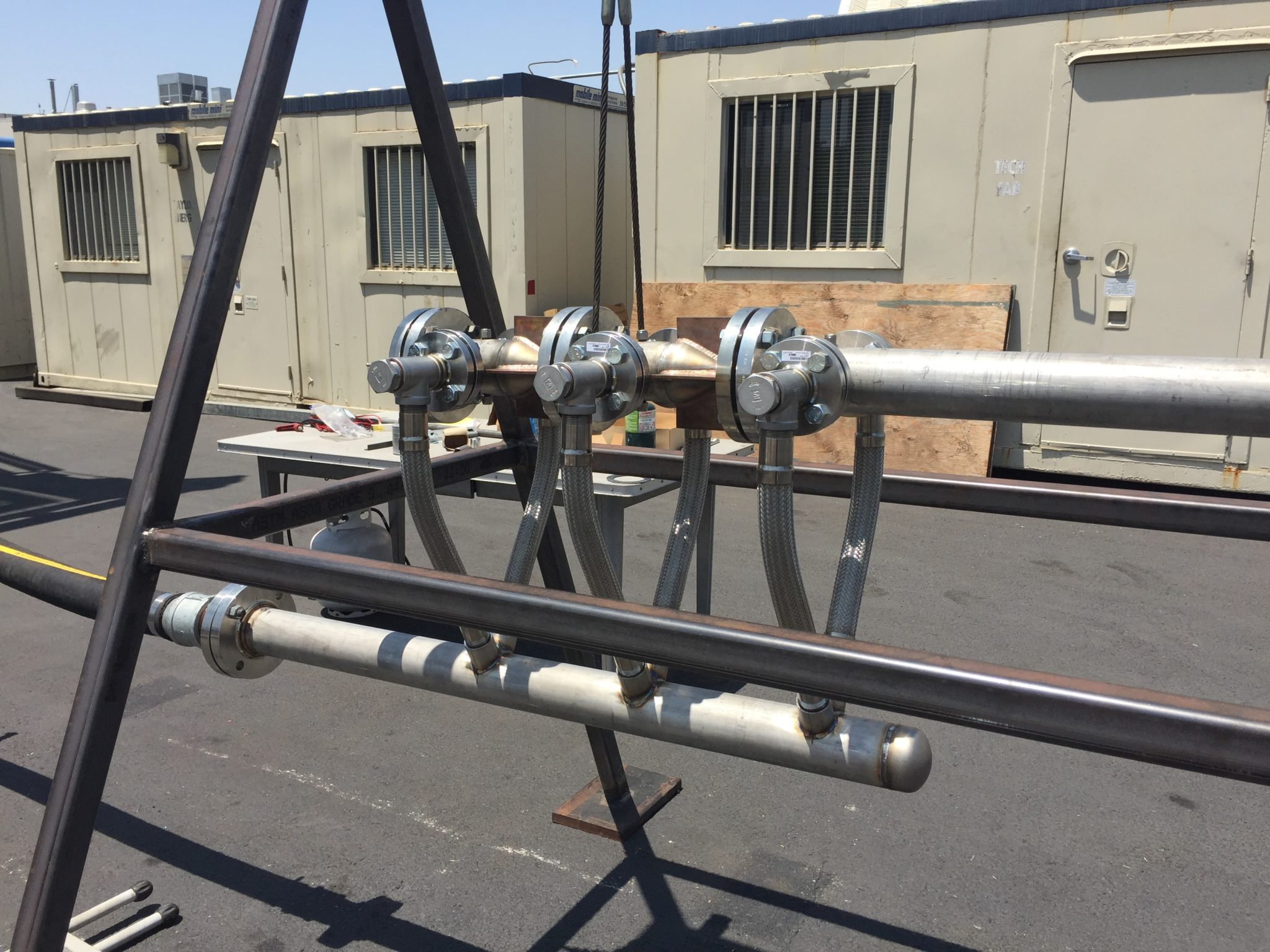
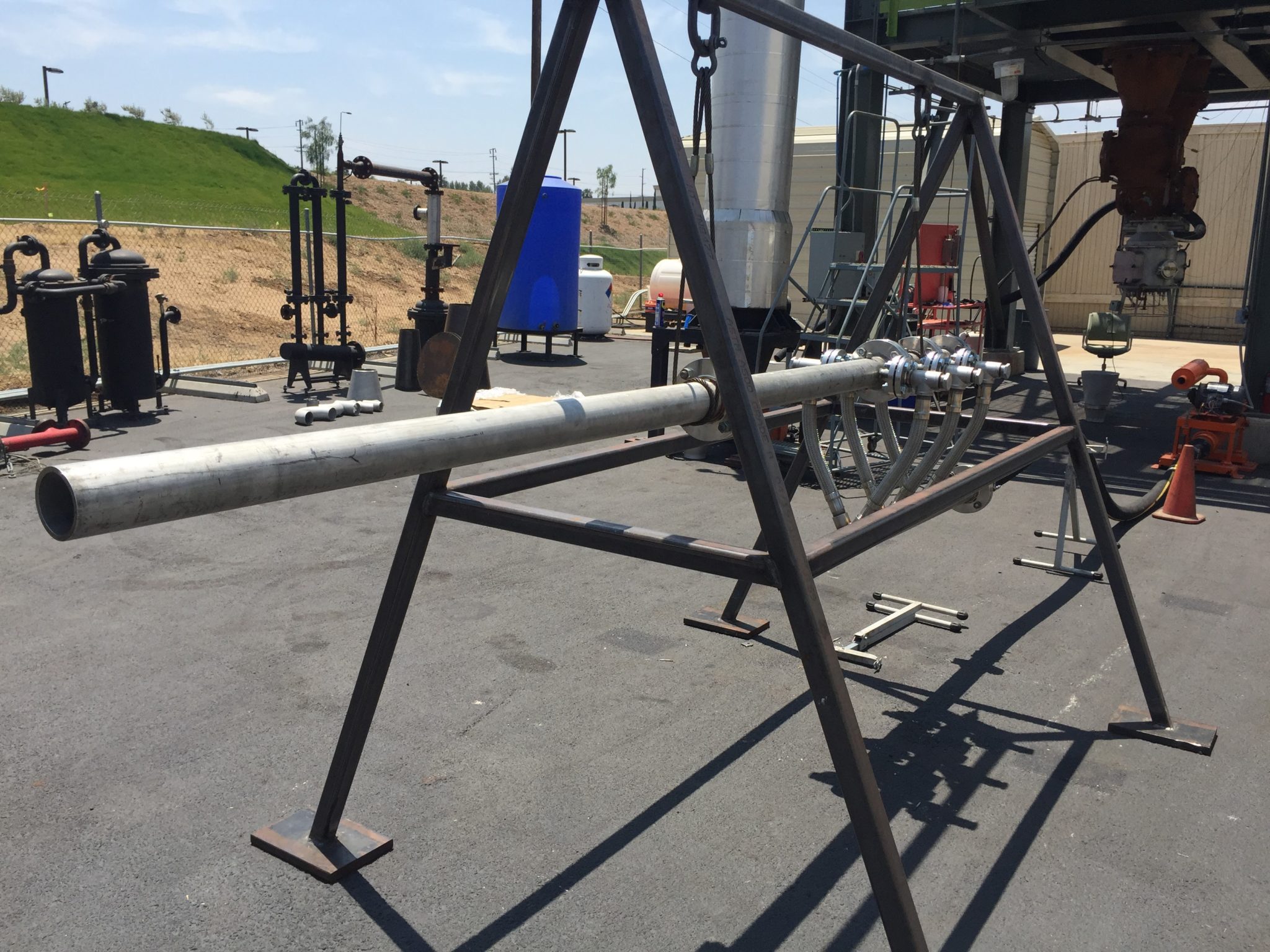
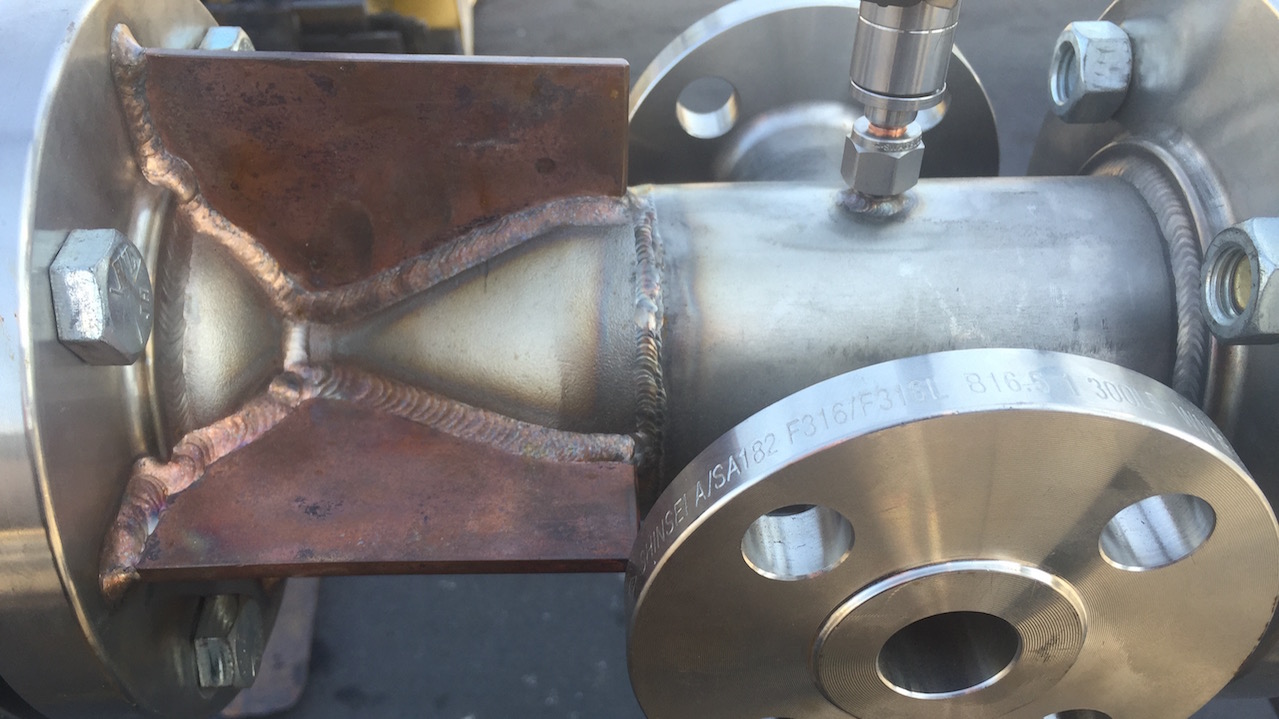
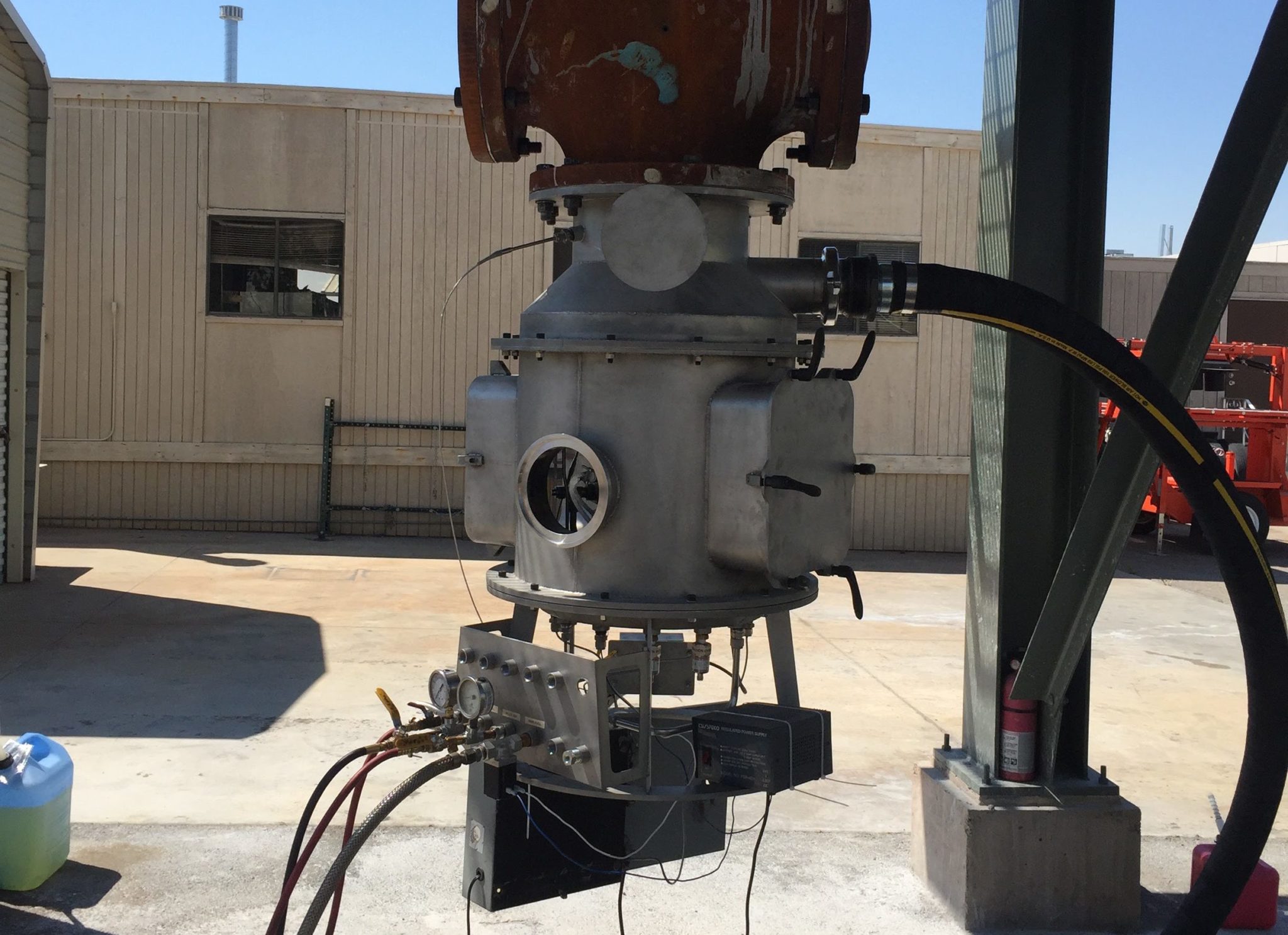
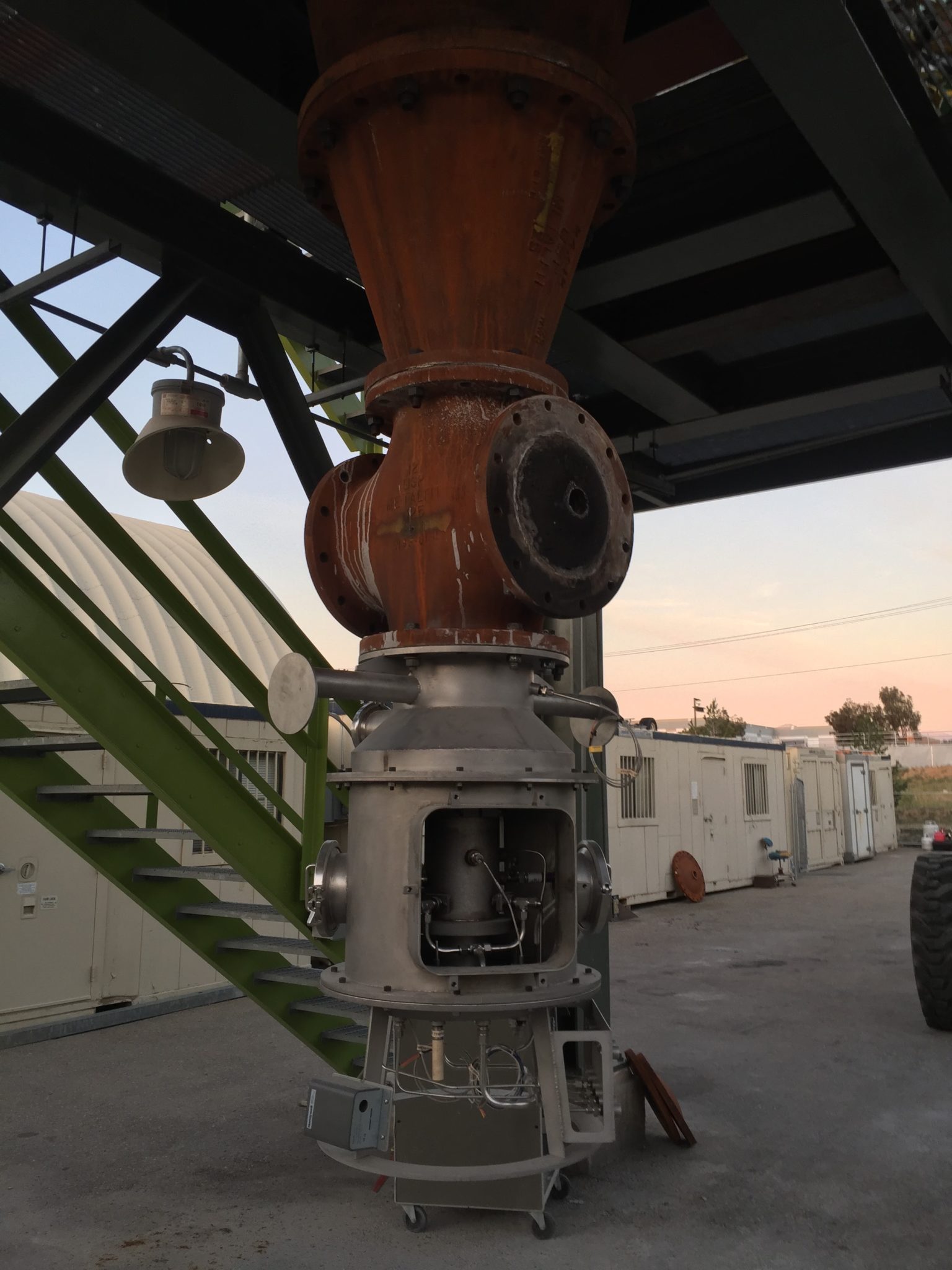
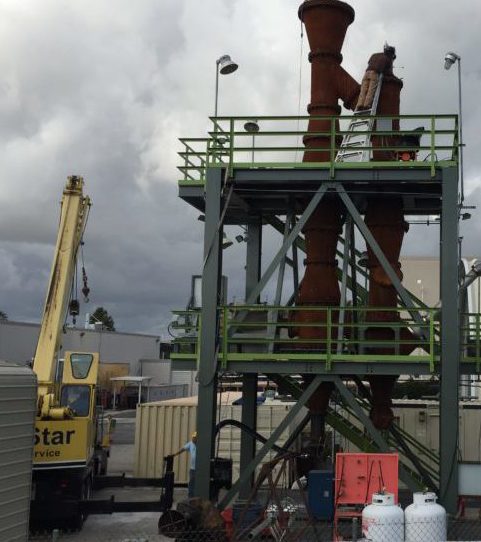
Taylor Energy is developing novel waste gasification technology intended for integration with a new modular FT-liquids synthesis method being developed by Ceramatec Inc. Taylor Energy’s thermal gasification process employs a robust Jet Spouted Bed primary receiver. The goal of this gasification and reforming process is the complete transformation of the feedstock carbon into synthesis gases with an H2:CO ratio optimized for hydrocarbon synthesis. The biomass extrusion feeder shown below discharges shredded biomass into a Jet Spouted Bed, which is uniquely powered by hot-exhaust-gases discharged from a Pulse-Jet Combustor. The sonic compression waves enhance grinding in the bed and the comminution of the feed, and increase the rate of reactivity at the molecular level by pushing the molecules together as compression waves pass through the gasification vessel. The reformer operates on the same principal, firing downward through a venturi throat, where mixing is most intense and the temperature is the highest.
The successful integration of these systems will advance the state-of-the-art for biofuels production, enabling a new embodiment that promises low capital & operating costs for community scale deployment, intended for scaling to 1,800 dry-tonne per day, 330-days/year. Both the Gasifier/Reformer and the FT-module are designed for ease of fabrication, using mostly off-the-shelf components to minimize first-cost, and process intensification methods to reduce operating costs. The Ceramatec FT-synthesis module will be shipped to Taylor Energy in 2018, after completing tests on coal & biomass at the Energy and Environmental Research Center.
One of the primary objectives for the new gasification/reforming process is to produce high quality synthesis gases while operating below the ash-fusion temperature. Many process benefits are obtained by operating near — but below — the ash-fusion temperature. High-temperature gasifiers operating above the ash-fusion temperature do solve some problems; they crack tars in one stage, and they convert quite a lot of carbon. But they have to operate very hot — hot enough so that molten ash flows at low viscosity. These ash-fusion reactors are required to operate at 1450 °C to 1550 °C, which incurs high oxygen cost and inherent refractory problems from operating at very high temperature. The Taylor Energy process operates below the ash-fusion temperature at 950 °C to 1050 °C, well above the 900 °C limit for typical fluidized bed gasifiers. However, the goal is to minimize the oxygen and steam consumption to minimize process costs; E.R. is around 0.33.
Operating below the ash-fusion temperature serves multiple beneficial purposes, but has one draw back: With the high throughput we require, some carbon-char is generated by flash–gasification and high-velocity reforming methods. This is generally true of all gasification processes that operate below the ash-fusion temperature. Systems electing to use high steam input (4:1 H2O to C ratio) still leave 5% unreacted carbon. High steam input is costly, and excess H2 is produced relative to the optimum ratio of H2:CO needed for hydrocarbon synthesis. Residual carbon-char and CO2 are both waste products that can be reacted together to control the H2:CO ratio in a syngas product optimized for FT-synthesis of hydrocarbons. We particularly like high-quality jet fuel as the primary renewable product.
The design feed rate for this proposed pilot-scale test program is 2 dry-tonne/day input. Preliminary data has been obtained at 1 dry-tonne/day. The amount of carbon-char residue is typically about 15-wt% of the feed input; carbon conversion ranges from 74% to 89%.
Taylor Energy constructed and operated a pilot-scale draft-tube reactor, with 1-pound/second circulation rate, at the Western Research Institute in 2006 and acquired extensive operating data. A similar vessel, has been installed at UC Riverside in preparation for testing.
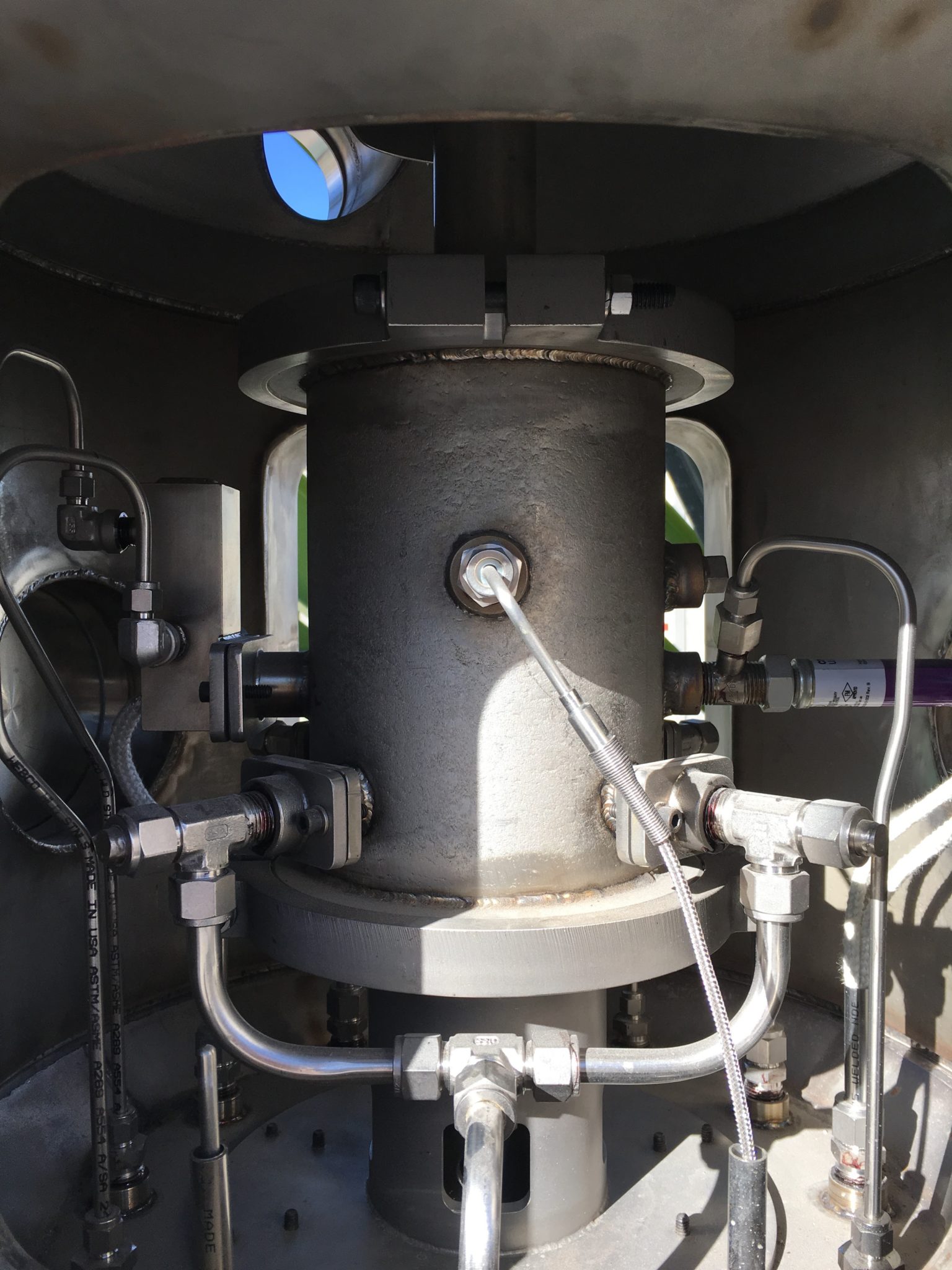
A Moving-Bed-Granular-Filter (MBGF) that includes a central draft-tube reactor is ideal for this application; carbon-char, and some tars deposited on alumina catalyst beads (5-mm), are circulated using an internal draft-tube; the gas input drives the bed circulation up through the draft-tube. Within the center draft-tube, the mixture of C + CO2 + H2O + O2 reacts at 950 °C.
The promoting effect of biomass mineral ash on the reactivity of char is attributed to the alkali (K, Na) and alkali earth metals (Mg, Ca). Nevertheless, the gasification temperature is the most significant parameter that affects the reactivity of char and controls the gasification rate. Advancing this novel bio-refining technology to process waste biomass feeds will help DOE achieve near-term biofuels production goals, converting the availability of 137-million tons/year of waste biomass (2016 Billion Ton Report). Taylor Energy and Cermatec are offering a promising new biofuels technology to achieve economic benefits that result from utilizing waste biomass.